

Adapted vs. Inclusive Programs: Helping Every Child Participate
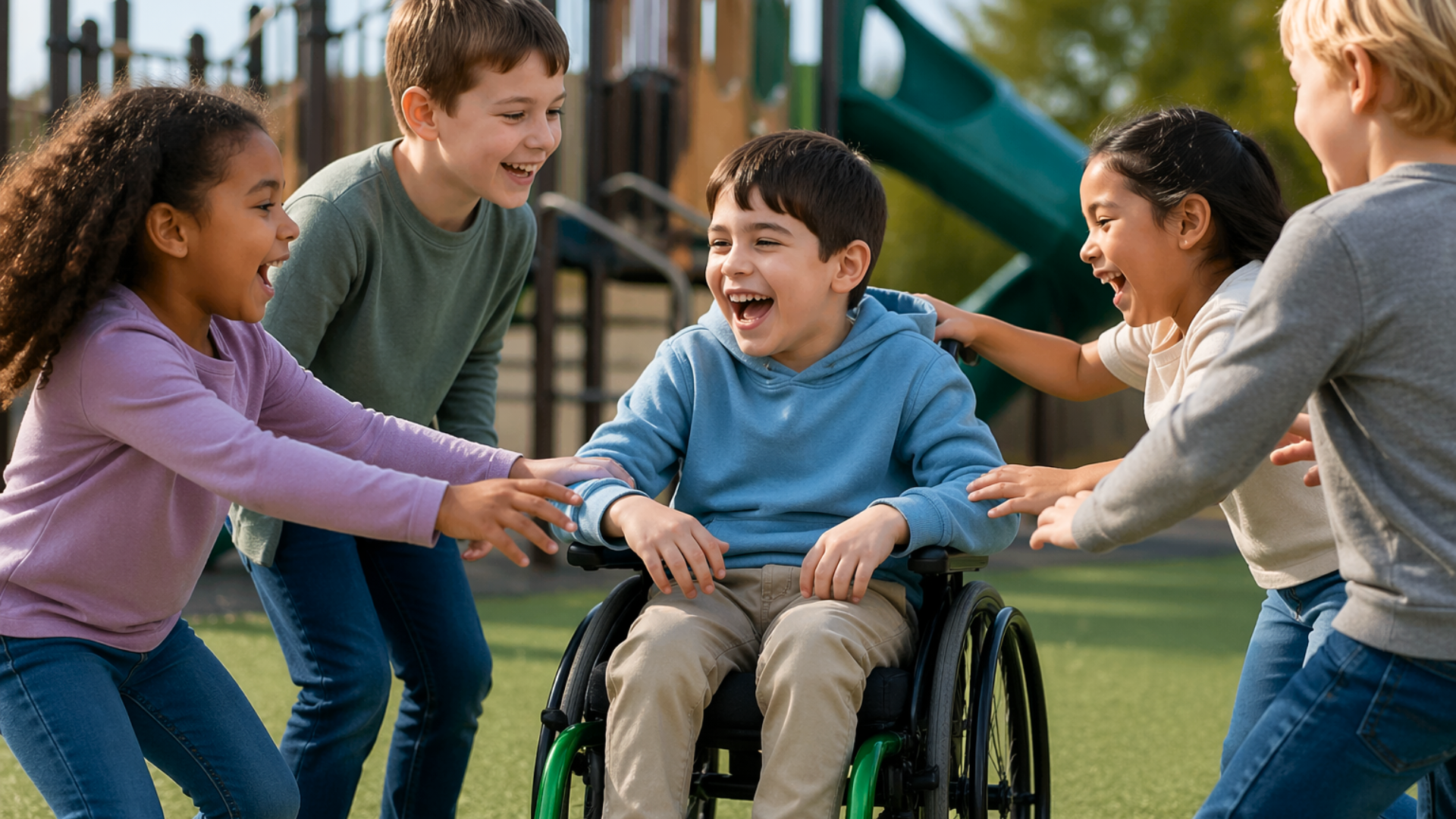
For many families of children with disabilities, finding activities where their child can feel welcome and fully participate can be challenging. Fortunately, more communities are offering adapted and inclusive programs designed to ensure every child can play, learn, and connect with others.
While the terms are sometimes used interchangeably, adapted and inclusive programs work in slightly different ways.
What Is an Inclusive Program?
Inclusive programs are designed so that children with and without disabilities participate together in the same activities. The goal is to create an environment where everyone can engage, socialize, and build friendships regardless of ability.
These programs emphasize belonging and collaboration, allowing children to learn from one another and experience activities as part of a diverse group.
What Is an Adapted Program?
Adapted programs may include children of all abilities, but the activity itself is modified to help children with disabilities participate in meaningful ways.
Adaptations might include:
Specialized equipment or tools
Accessible spaces with ramps or sensory-friendly environments
Adjusted rules or techniques to match different abilities
Additional support from instructors or guides
These adjustments help ensure that activities remain enjoyable and accessible for everyone involved.
Why These Programs Matter
Adapted and inclusive programs offer far more than just recreation. They help children develop confidence, social skills, and independence while having fun. Many programs also create a less competitive environment where the focus is on participation and connection rather than performance.
Inclusive activities also benefit children without disabilities. When kids play and learn together, they develop empathy, understanding, and respect for people with different abilities and experiences.
Creating Opportunities for All Children
Every child deserves the chance to participate in activities that spark joy, creativity, and friendship. Adapted and inclusive programs help remove barriers and make it possible for children of all abilities to share those experiences.
By supporting these programs in our communities, we take an important step toward building a world where every child feels included and valued.
