

How Visual Schedules Can Help Children with Special Needs Thrive
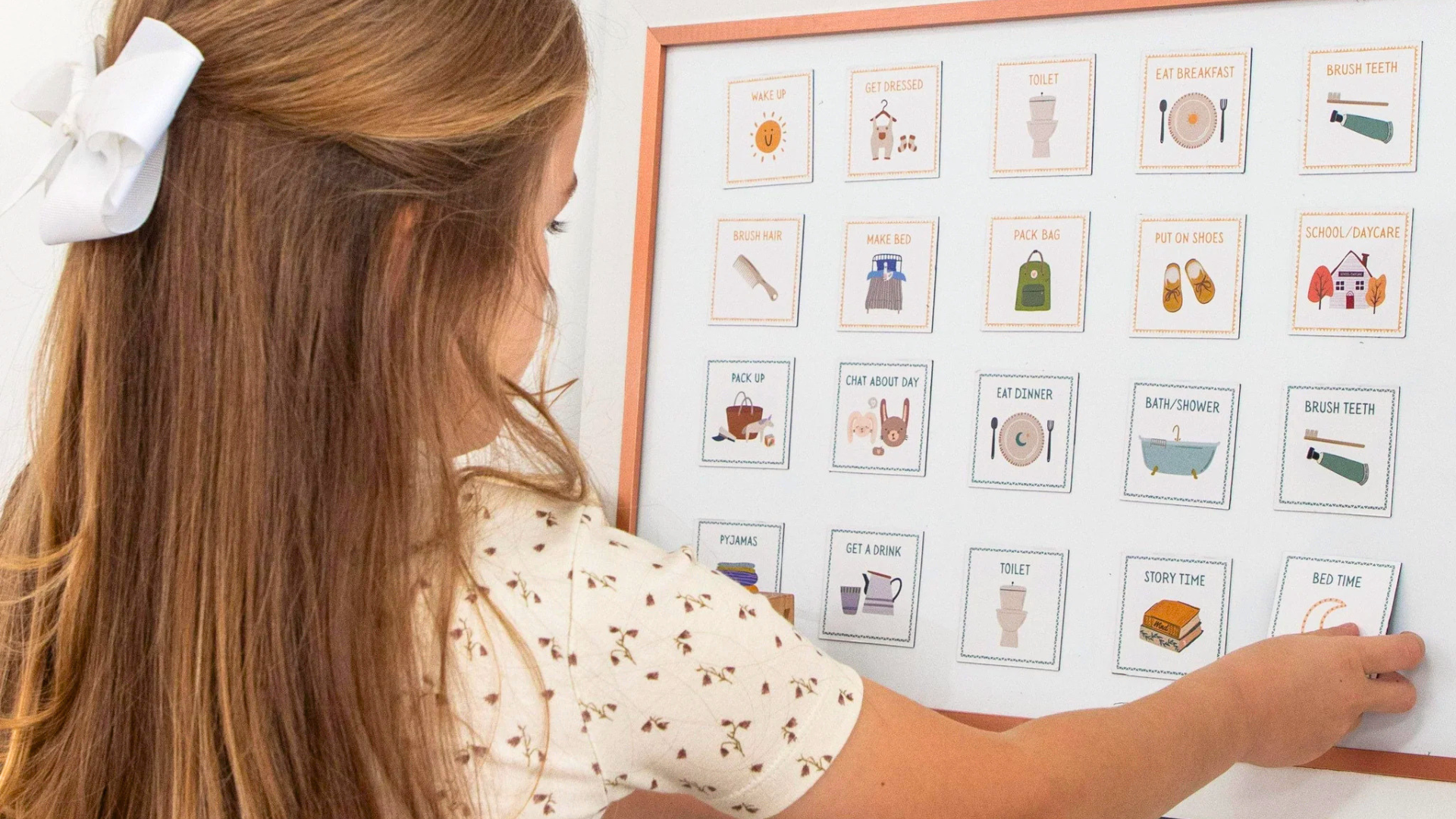
For many children, knowing what comes next brings comfort. For children with special needs, that sense of predictability can make an even bigger difference.
Whether it's getting ready for school, transitioning between activities, or preparing for bedtime, visual schedules are a simple yet powerful tool that can help children better understand their day while building confidence and independence.
What Is a Visual Schedule?
A visual schedule uses pictures, symbols, photographs, or written words to show the order of activities throughout the day or during a specific routine. Instead of relying only on verbal instructions, children can see what comes next, making daily tasks easier to understand and follow. Visual schedules are considered an evidence-based support for many individuals on the autism spectrum and can be adapted for people of different ages and abilities.
Visual schedules can be as simple as:
A morning routine chart
A bedtime checklist
Pictures showing the steps to wash hands
A daily school schedule
A "First, Then" board (First homework, then outside play)
The goal isn't perfection—it's creating a routine that's easy for your child to understand.
Why They Work
Many children process visual information more easily than spoken directions. A visual schedule provides a consistent reminder that doesn't disappear after it's been said.
Using visual schedules can help:
Reduce anxiety about transitions
Create more predictable routines
Encourage independence
Improve task completion
Reduce the need for repeated verbal reminders
Build confidence through successful routines
Instead of wondering, "What happens next?" children can simply look at their schedule for the answer.
Start Small
You don't need to map out an entire day to see the benefits. Many families find success by introducing visual schedules during one routine, such as:
Morning Routine
Wake up
Get dressed
Brush teeth
Eat breakfast
Put on shoes
Go to school
Bedtime Routine
Bath
Pajamas
Brush teeth
Read a book
Lights out
Once your child becomes comfortable using a schedule, you can gradually introduce additional routines.
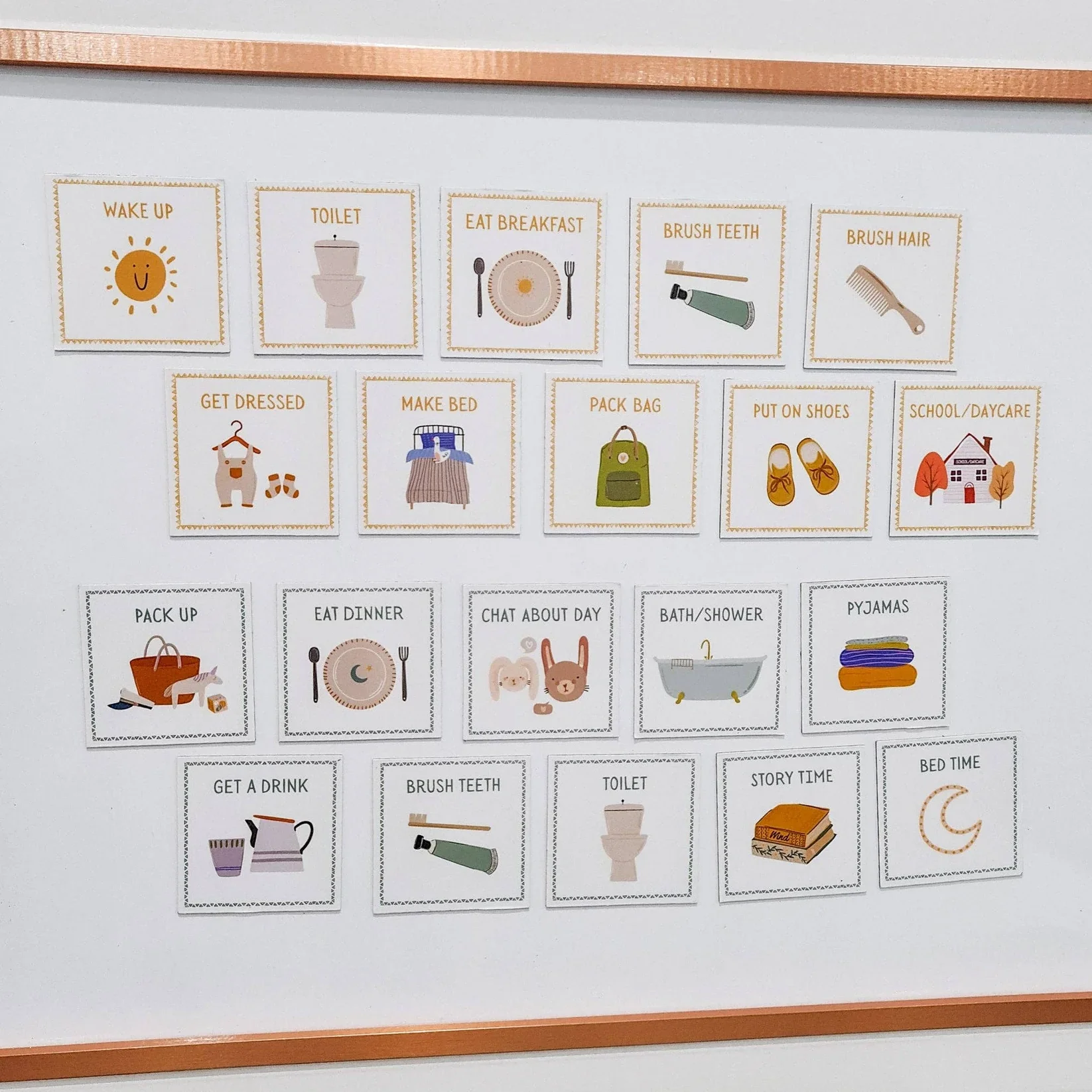
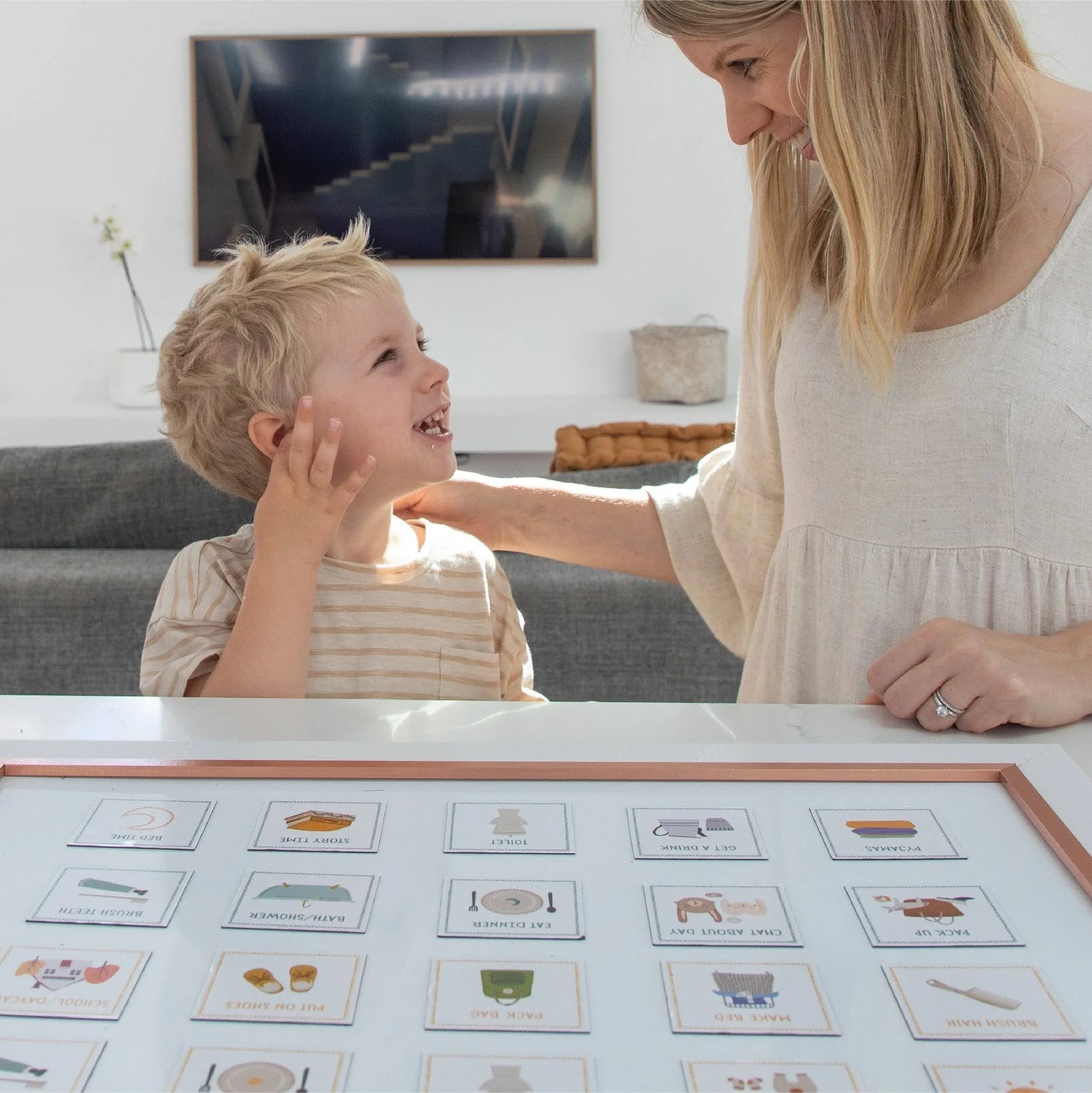
Personalize It
Every child learns differently, so there's no single "right" way to create a visual schedule. Some children respond best to:
Real photographs
Simple icons or drawings
Color-coded pictures
Written checklists
Dry-erase boards
Velcro cards they can remove as each task is completed
The most effective schedule is the one your child understands and enjoys using.
Make It Interactive
Children are often more engaged when they can actively participate. Try letting your child:
Remove completed picture cards
Place a checkmark next to finished tasks
Move a marker from "Now" to "Next"
Help choose or decorate the pictures
These small interactions can give children a greater sense of ownership and accomplishment.
Be Flexible
Life doesn't always go according to plan, and that's okay.
If a routine changes, use the schedule as an opportunity to explain what's different. Some families keep a special "surprise" or "change in plans" card that can be added whenever the day's routine needs to shift.
Over time, visual schedules can help children become more comfortable adapting to change while still feeling secure.
Supporting Independence Every Day
Visual schedules aren't about creating rigid routines—they're about helping children feel confident, capable, and prepared.
At the Theresa Foundation, we know that every child learns in their own unique way. Whether through art, music, dance, drama, recreation, or everyday tools that support learning and independence, small strategies can have a meaningful impact on a child's confidence and quality of life.
Sometimes, a simple picture really is worth a thousand words.
