

Traveling with a Child with Special Needs: Tips for a More Enjoyable Family Vacation
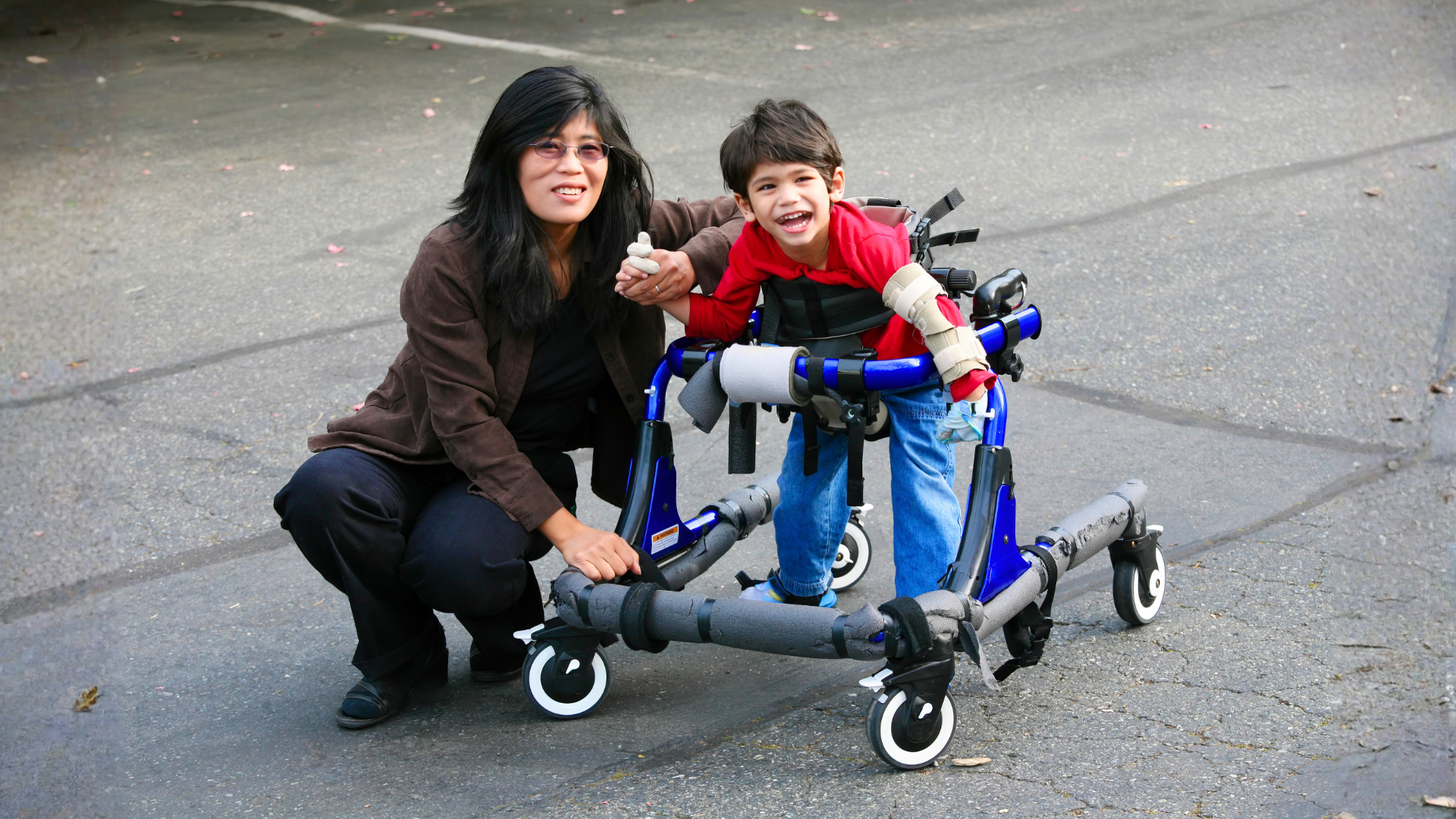
Family vacations create lasting memories, but they can also bring unique challenges when traveling with a child with special needs. Changes in routine, unfamiliar environments, sensory overload, and unexpected delays can make traveling stressful for both children and caregivers.
Fortunately, a little preparation can go a long way. With thoughtful planning and realistic expectations, families can focus less on the challenges and more on enjoying time together.
Prepare Your Child for the Trip
Children often feel more comfortable when they know what to expect. In the days or weeks leading up to your trip, talk about the destination and what the experience will look like.
Visual schedules, social stories, photographs, videos, or maps can help explain new environments and routines. If you're flying, watching videos of airport security or boarding an airplane together can make the experience feel more familiar.
Choose a Destination That Fits Your Family
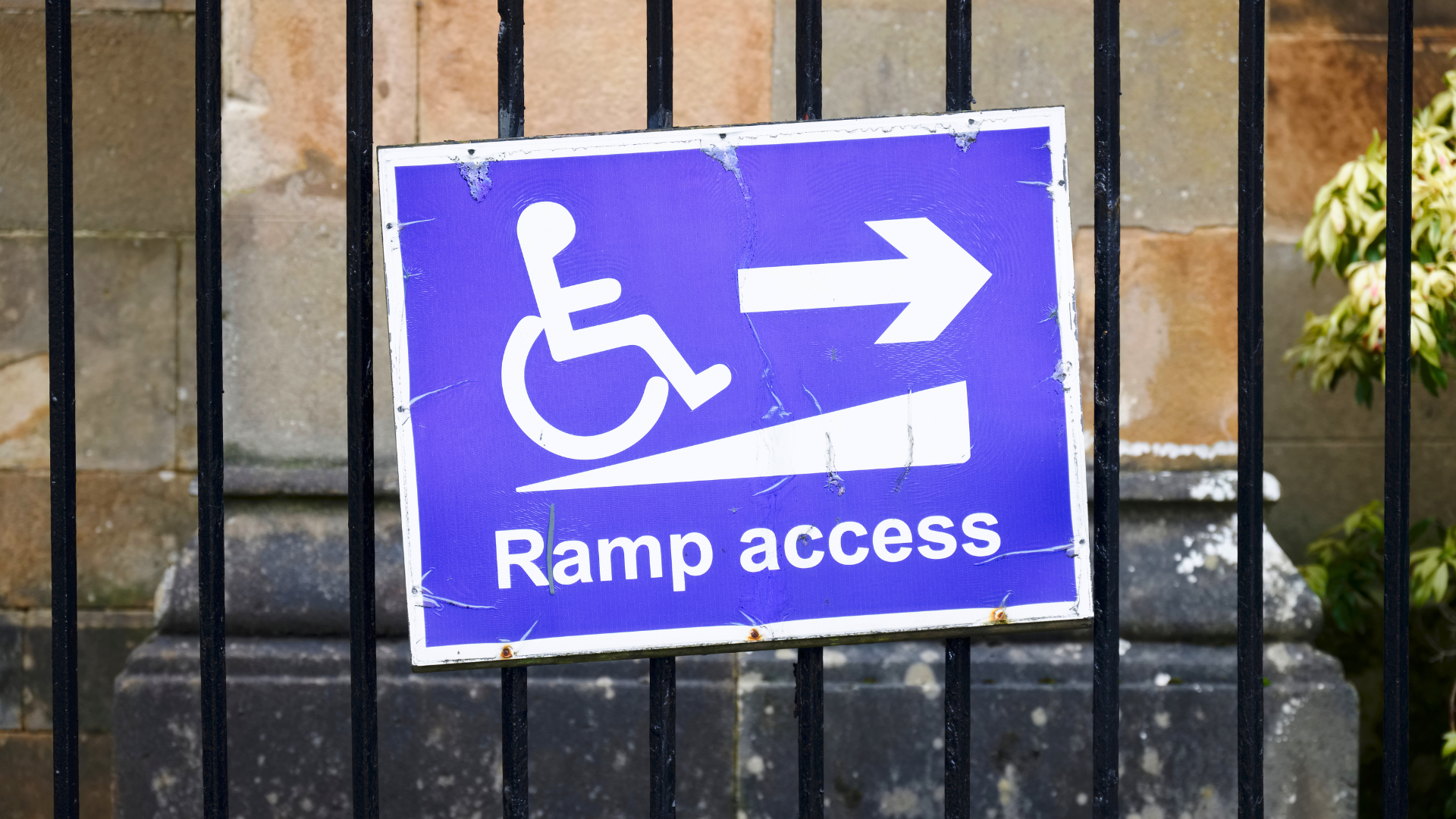
Not every vacation has to be packed with activities. Consider destinations that match your child's interests, comfort level, and abilities. Before booking, research accessibility features, quiet spaces, medical facilities, and sensory-friendly attractions.
Many museums, zoos, aquariums, amusement parks, and beaches now offer accommodations such as sensory maps, wheelchair access, adaptive equipment, or designated quiet areas.
Calling ahead can help you better understand what services are available.
Build Flexibility into Your Schedule
It can be tempting to fill every day with activities, but allowing extra time between outings can reduce stress for everyone. Plan for breaks, quiet time, and opportunities to decompress. Sometimes the best vacation memories come from slowing down rather than trying to see everything.
If possible, schedule your most important activity early in the day when energy levels may be higher.
Pack Beyond the Basics
In addition to clothing and toiletries, think about the items that help your child feel safe, comfortable, and regulated.
Your travel bag may include:
Medications and copies of prescriptions
Medical documents and emergency contact information
Favorite comfort items, blankets, or stuffed animals
Noise-canceling headphones or sunglasses
Sensory toys or fidgets
Tablets or communication devices with chargers
Familiar snacks and drinks that meet dietary needs
Extra clothing and wipes for unexpected situations
Packing a small "comfort kit" that's easily accessible can make long travel days much smoother.
Keep Familiar Routines Whenever Possible
Travel naturally changes daily routines, but maintaining a few familiar habits can help children feel more secure.
Try to keep mealtimes, bedtime routines, and favorite rituals as consistent as possible. Bringing familiar pajamas, bedtime books, music, or a nightlight can make an unfamiliar hotel room feel a little more like home.
Prepare for the Unexpected
Even the best-planned vacations rarely go exactly as expected. Flights are delayed, weather changes, and plans sometimes need to shift.
Having backup activities, extra snacks, charging cables, medications, and a flexible mindset can help reduce stress when surprises happen. Remember that it's okay to change plans if your child needs a break.
Celebrate the Small Wins
Success doesn't have to mean checking every attraction off your itinerary. Maybe your child tried a new activity, tolerated a long car ride, or simply enjoyed spending time together in a new place.
Every family experiences travel differently, and every milestone deserves to be celebrated!
Making Memories That Last
Traveling with a child with special needs may require additional planning, but it can also provide wonderful opportunities for learning, confidence-building, and family connection.
The goal isn't to create a perfect vacation—it's to create meaningful experiences together. With preparation, patience, and flexibility, families can discover new places while making memories that will last long after the trip is over.
