

Unlocking Possibilities with Lego Braille Bricks

Imagine a world where every child, regardless of their ability to see, can learn, play, and connect with others using an iconic toy. Lego, known for its colorful bricks that fuel creativity, has taken a giant step towards inclusion with their innovative Braille Bricks—creating a game-changing tool for children with vision impairments. With 300 pieces designed to correspond to letters and numbers in the braille system, these blocks spark not only imaginations but empower children with greater access to literacy and confidence.
The Global Challenge of Vision Impairment
More than 2.2 billion people globally live with vision impairment, and for at least 1 billion of them, their conditions could have been prevented or treated, according to the World Health Organization (WHO). Beyond the statistics, this means millions of children and adults face barriers to education, employment, and community life.
For kids growing up with vision challenges, learning braille is a powerful way to break these barriers. Braille transforms literacy into independence, giving vision-impaired children the ability to study, communicate, and thrive. Yet in today’s world, where audiobooks and speech-to-text tools are on the rise, fewer families are introducing braille literacy to their children. Lego Braille Bricks aim to change that.
Learning Through Play
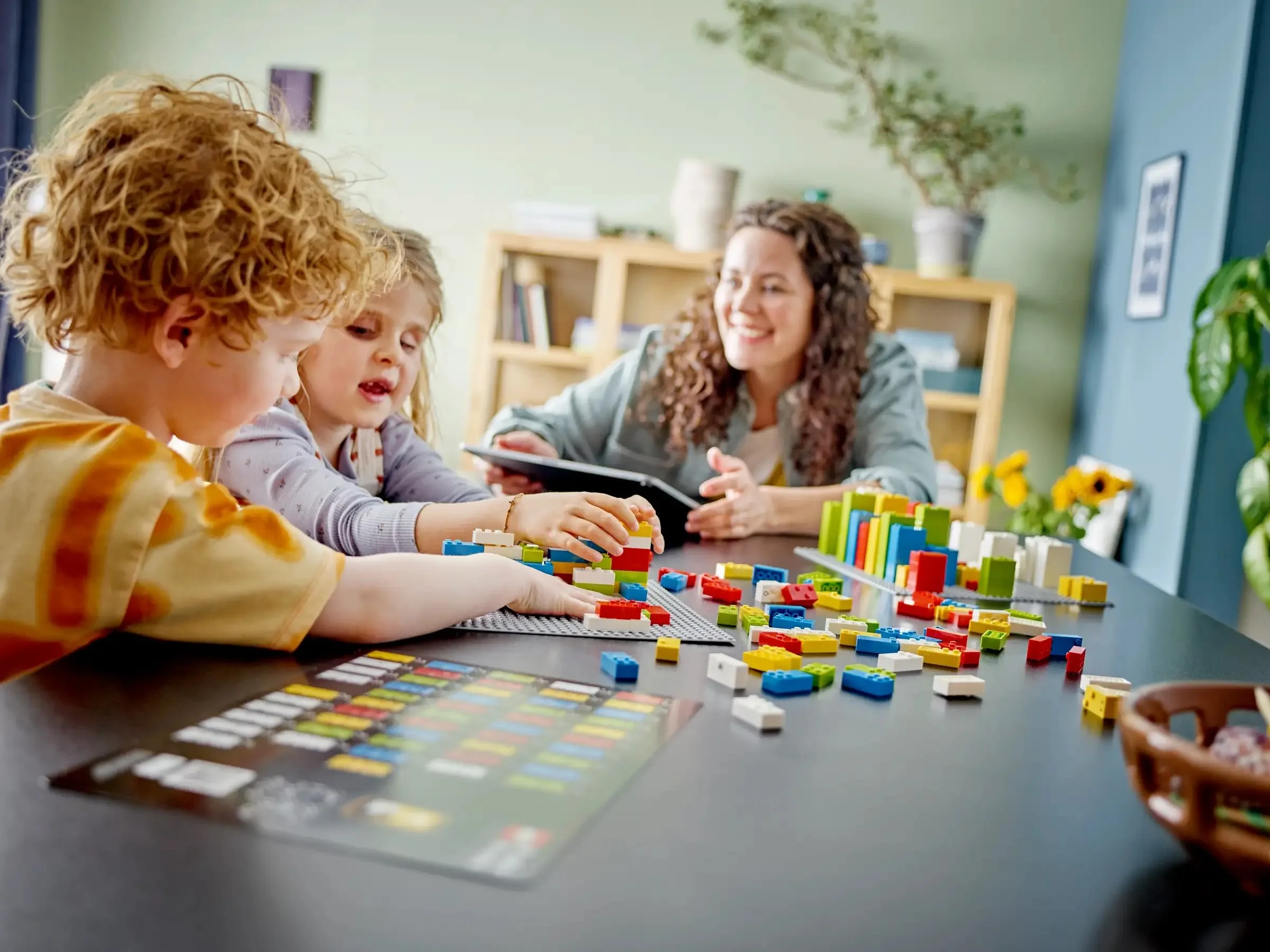
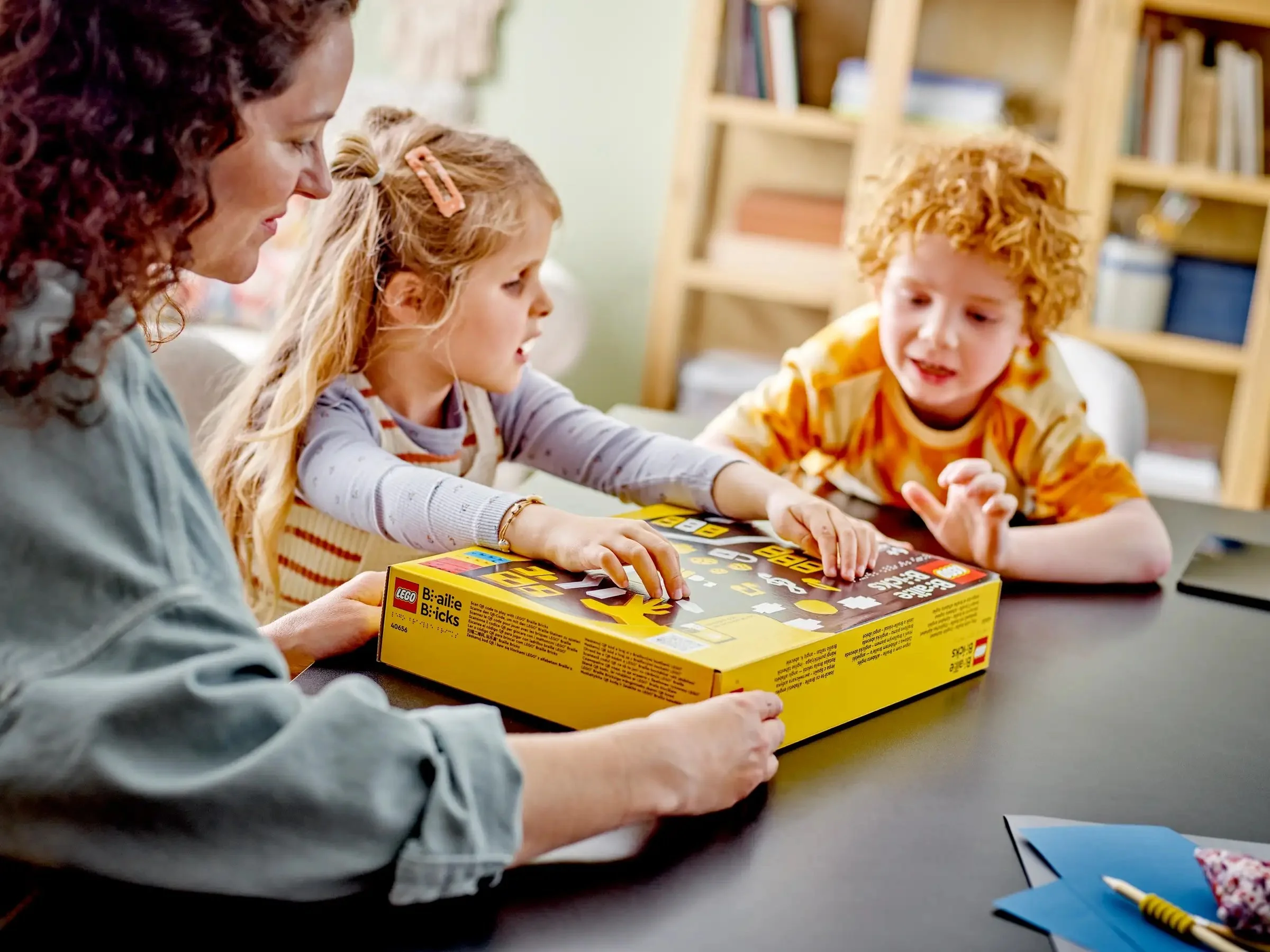
When Lego first introduced Braille Bricks in 2020, it was targeted at educational professionals. But now these remarkable tools are available to every family. Each brick not only includes braille dots but also has corresponding printed symbols so both sighted and vision-impaired people can play together. They transform the process of learning braille into a hands-on, joyful activity.
Martine Abel-Williamson, President of the World Blind Union, emphasizes the significance of this innovation. “For the blind community, braille is not just literacy—it’s our entry to independence and inclusion into this world.” By grounding the bricks in a beloved, familiar toy, Lego invites entire families to learn together and celebrate tactile skills.

Braille Bricks and the Bigger Picture
Why does this innovation matter on a global scale? It aligns perfectly with the United Nations’ Sustainable Development Goals, which highlight access to quality education, equal opportunity, and improved well-being for all. Education is a gateway to progress, and making it accessible to every child is essential for tackling inequality.
Lego Braille Bricks serve as an example of how thoughtful, inclusive technology can bridge gaps in education. By transforming a learning tool into something fun and family-friendly, they create opportunities for vision-impaired children to gain skills, confidence, and a sense of belonging.
The Power of Tactile Learning Aids
While technology like screen readers and voice commands has revolutionized many aspects of daily life for the vision-impaired, tactile learning aids like braille remain irreplaceable in fostering comprehension and critical thinking. Tools like Lego Braille Bricks put the power of touch-based learning in the hands of the youngest students.
These bricks are much more than toys—they’re tools of transformation. They help children build literacy, confidence, and independence, all while engaging families and educators in shared learning experiences.
Building a More Inclusive Future
At the Theresa Foundation, we are inspired by initiatives like Lego Braille Bricks that merge innovation with compassion, providing a meaningful path to inclusion. Whether it’s through play, education, or accessibility, every step toward empowering children shapes a brighter and more equitable future for everyone.
Together, we can support breakthroughs like this and amplify their impact. Because when we give children the tools to learn, we also give them the courage to dream—no matter how they see the world.
