

Grant Funding for Children with Special Needs
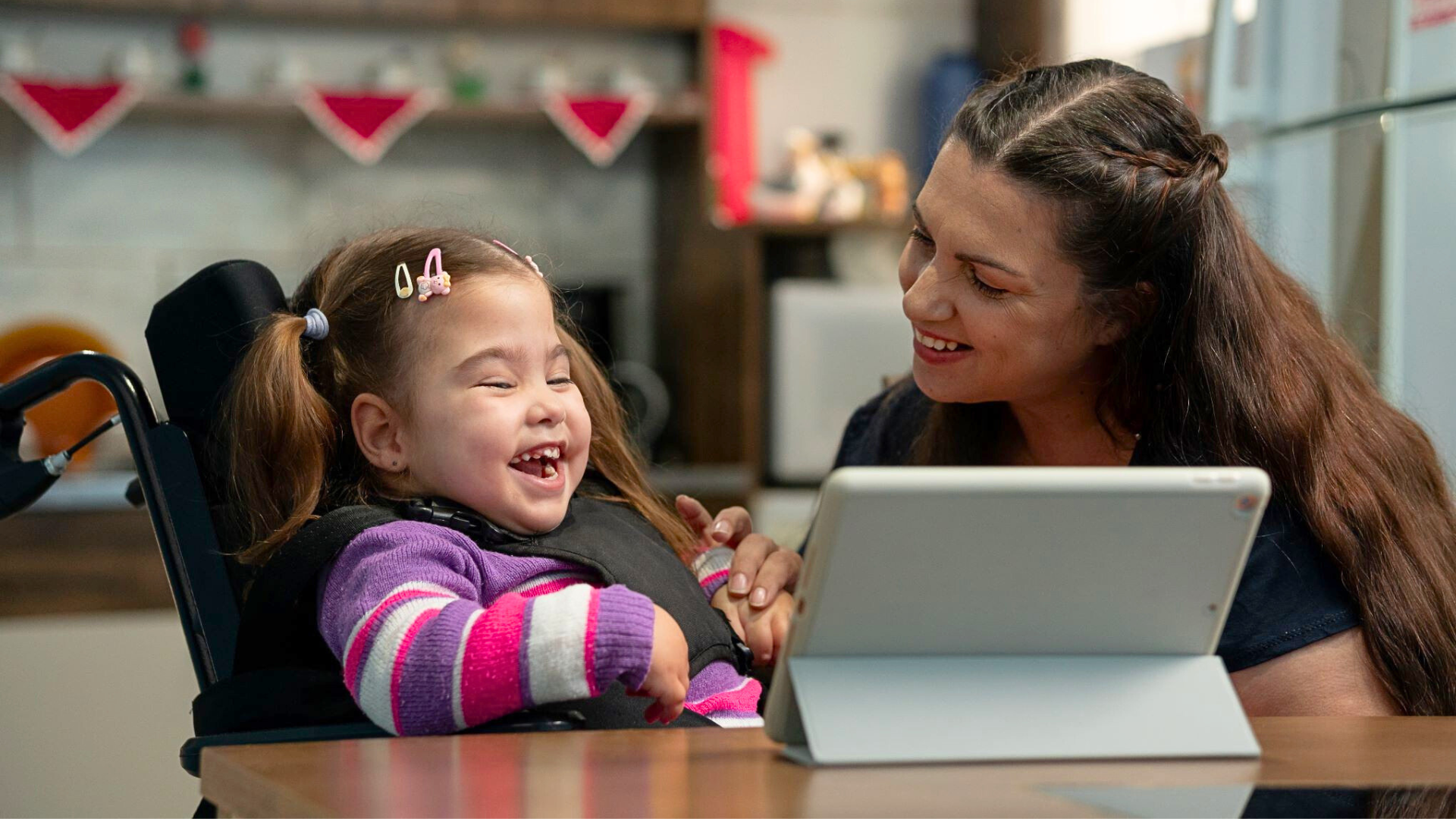
Raising a child is expensive—and for families of children with special needs, costs can be significantly higher.
While programs like Medicaid, SSI, and SSDI can help, many families still need additional financial support for therapies, equipment, and services. Fortunately, a wide range of grants—from federal, state, and nonprofit sources—may help bridge those gaps.
Federal Support
Several major federal programs provide financial or service-based support for children with disabilities:
Supplemental Security Income (SSI): Provides monthly financial assistance to families with limited income. Children who qualify typically also receive Medicaid.
Social Security Disability Insurance (SSDI): Offers monthly benefits based on a parent’s work record, without income restrictions.
Federal laws also fund state programs that deliver critical services:
Individuals with Disabilities Education Act (IDEA): Supports early intervention and special education services nationwide.
Assistive Technology Act: Ensures every state offers access to assistive technology (AT), including device lending, reuse programs, and financial assistance.
State Grant Programs
Each state administers its own mix of disability supports—often through Medicaid waivers, assistive technology programs, and family support funding. Examples include:
Alaska Mental Health Trust Mini Grants: Up to $2,500 per person each month for approved needs.
California Ability Tools: Provides assistive technology loans, device reuse, and demonstrations.
Minnesota Family Support Grant: Offers cash grants to families for services their disabled children need.
Massachusetts Catastrophic Illness in Children Relief Fund (CICRF): Reimburses eligible families for medical expenses, assistive technology, and home modifications not covered elsewhere.
Texas Technology Access Program (TTAP): Allows families to borrow assistive technology devices to determine usefulness before purchase.
New York–Based Support
For families in New York, additional state-funded programs may be available:
OPWDD Family Support Services (FSS): Administered through the New York State Office for People with Developmental Disabilities, these programs help families caring for individuals with developmental disabilities by funding supports such as respite care, family training, recreation, and assistive technology. Services are coordinated through local provider agencies rather than directly through the state.
New York TRAID Centers: Part of New York’s Assistive Technology Act program, TRAID centers provide access to device loans, demonstrations, and reuse programs across the state.
Availability, eligibility, and services vary by region and funding cycle.
Nonprofit Grants
Many nonprofit organizations offer grants focused on specific diagnoses or needs, including:
Autism Care Today (autism treatment support)
Alyssa V. Phillips Foundation (cerebral palsy support)
iTaalk Autism Foundation (iPad grants)
Kiddos’ Clubhouse Foundation (therapy scholarships)
National Autism Association (Give A Voice program for nonverbal children)
Parker’s Purpose Foundation (financial emergencies)
Wheel to Walk Foundation (adaptive equipment for youth)
Tips for Applying
To improve your chances of securing grant funding:
Carefully review each program’s eligibility requirements
Gather medical, educational, and financial documentation in advance
Pay close attention to application deadlines
Seek out reputable parent centers and advocacy organizations that provide general guidance and education
Finding Support
With persistence and research, many families are able to secure grants that ease financial strain and expand access to essential services. Understanding the types of funding that exist—and how they differ—can help families make informed decisions and advocate effectively for their children.
The Theresa Foundation is dedicated to educating families about government benefits, pooled trusts, and financial protections for individuals with disabilities, so they can navigate complex systems with greater clarity and confidence.
