

Representation Matters: Toys That Celebrate All Abilities
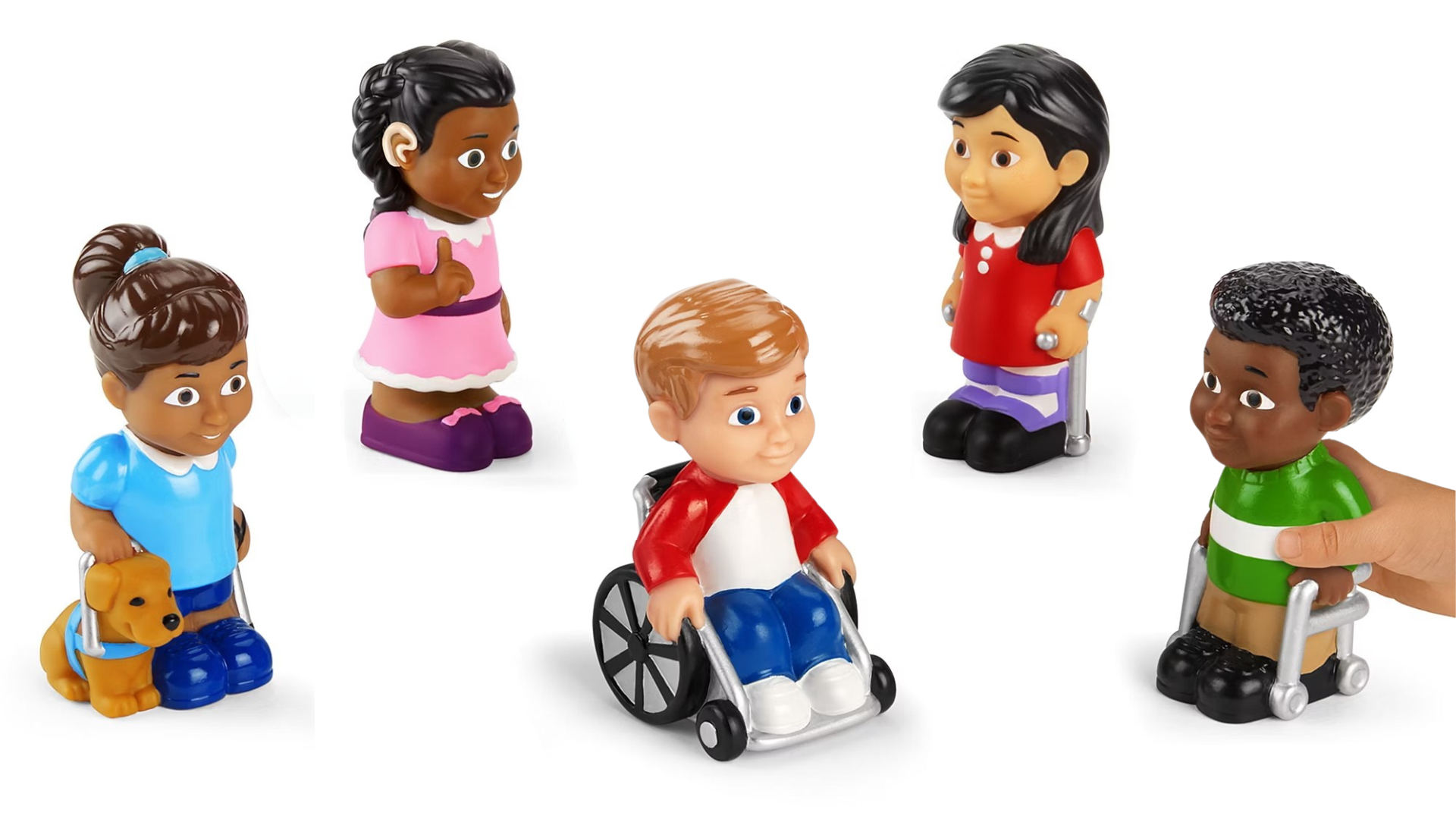
Lakeshore Soft & Safe Children with Differing Abilities
At the Theresa Foundation, we believe every child deserves to see themselves reflected in the world — and that includes the toys they play with. Inclusive toys aren’t just fun; they send a powerful message: every child belongs, every ability is valid, and difference is something to celebrate.
Why Inclusive Toys Matter
Children learn about themselves and the world through play. When a toy reflects a child’s lived experience — whether it’s using a wheelchair, wearing a hearing aid, or having a visible difference — it helps them feel seen and affirmed. Inclusive toys can also spark empathy in other children, showing that everyone has unique abilities and challenges, and that diversity is a normal part of life.
Examples of Inclusive Toys
The toy industry has come a long way, offering products that embrace a variety of abilities:
Dolls and figurines with adaptive equipment like wheelchairs, crutches, or prosthetic limbs
Characters with hearing aids, glasses, or service animals
Action figures and playsets that integrate diverse abilities into everyday adventures
Puppets and peg dolls that encourage imaginative play and social-emotional learning
Barbie released a line of “fashionista” dolls that include dolls with canes, prosthetic limbs, wheelchairs, and skin abnormalities such as vitiligo. Ken is also included in this collection making this a good option for a boy as well.
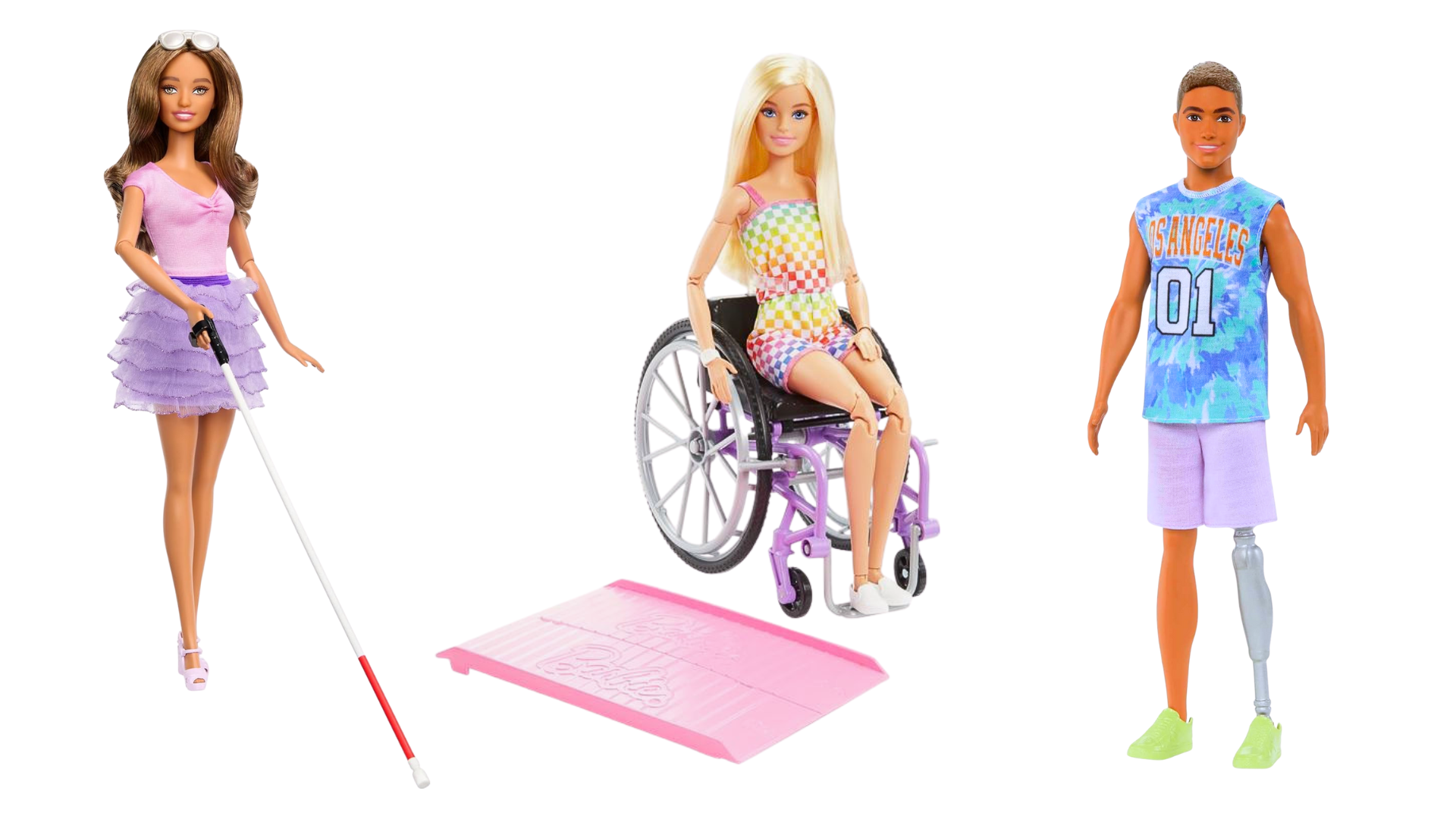
Barbie Fashionistas Dolls
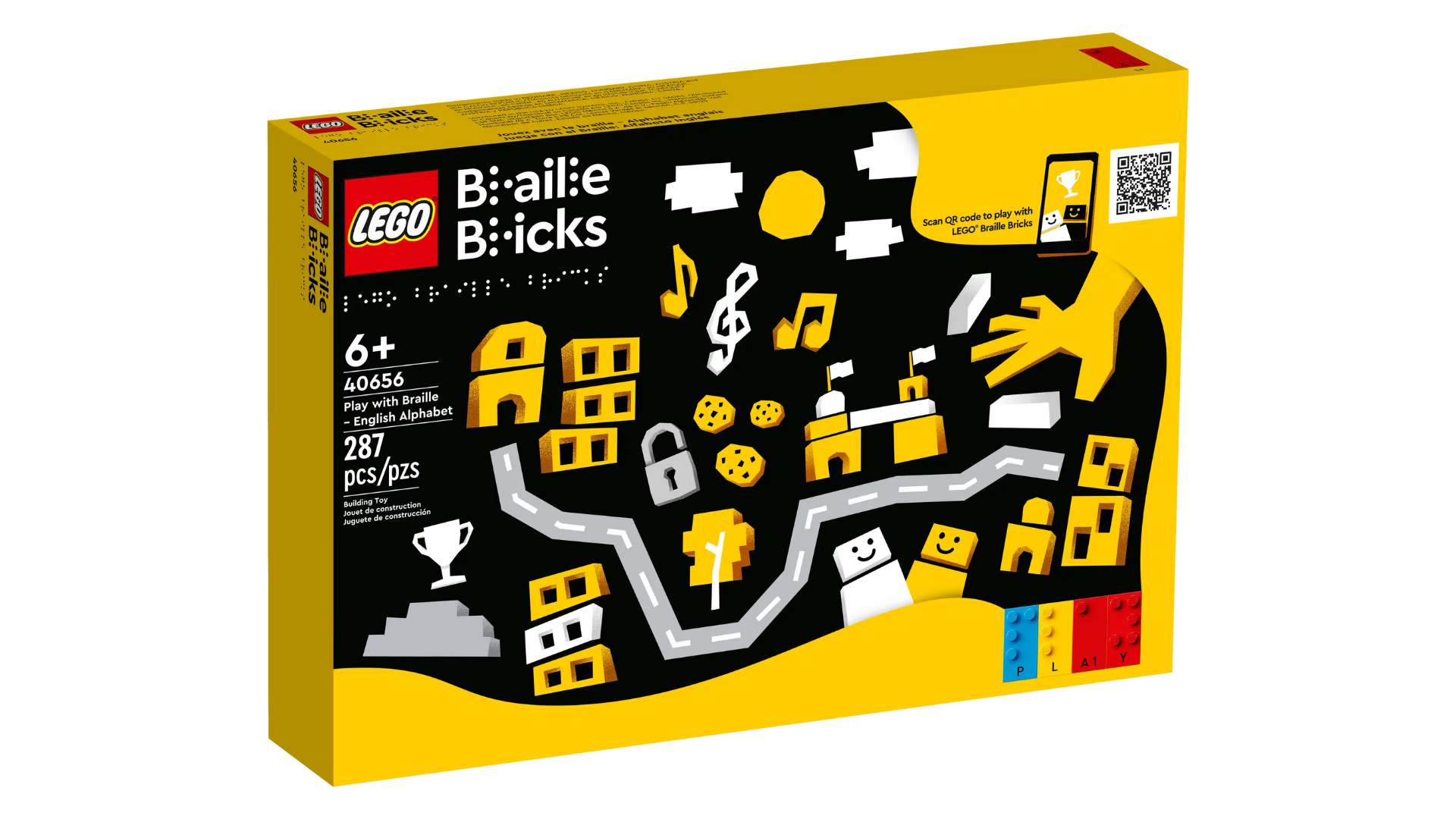
Lego Braille Bricks
Lego has taken a giant step towards inclusion with their innovative Braille Bricks—creating a game-changing tool for children with vision impairments. Read our blog post, Unlocking Possibilities with Lego Braille Bricks, to learn more about how this 300 piece set empowers children with greater access to literacy and confidence.
American Girl offers custom options for glasses and hearing aids and offer accessories such as wheelchairs, a diabetic kit and service dogs.
In addition to toys and products that reflect diverse abilities, there are many online retailers prioritizing accessibility and inclusive shopping experiences. If you’re looking for brands that truly consider everyone’s needs and celebrate diversity in their offerings, check out this inclusive online retail guide — a resource we think complements the spirit of this article: 45+ Brands That Deliver Inclusive Online Shopping
Beyond Play: Representation in Action
Inclusive toys do more than entertain — they normalize diversity, inspire conversations, and foster confidence. When children see themselves represented, they develop a stronger sense of self-worth. When peers play with inclusive toys, they gain understanding, empathy, and respect for differences.
Creating Inclusive Play Spaces
Families, schools, and therapists can help build play environments that reflect the real world. Mixing traditional toys with inclusive options, adding adaptive accessories, and encouraging storytelling around differences are all simple ways to make play more representative and empowering.
At the Theresa Foundation, we know that every child deserves to feel seen, valued, and included. Inclusive toys are one way to make that happen — one doll, one action figure, one playtime story at a time.
